Museum Properties
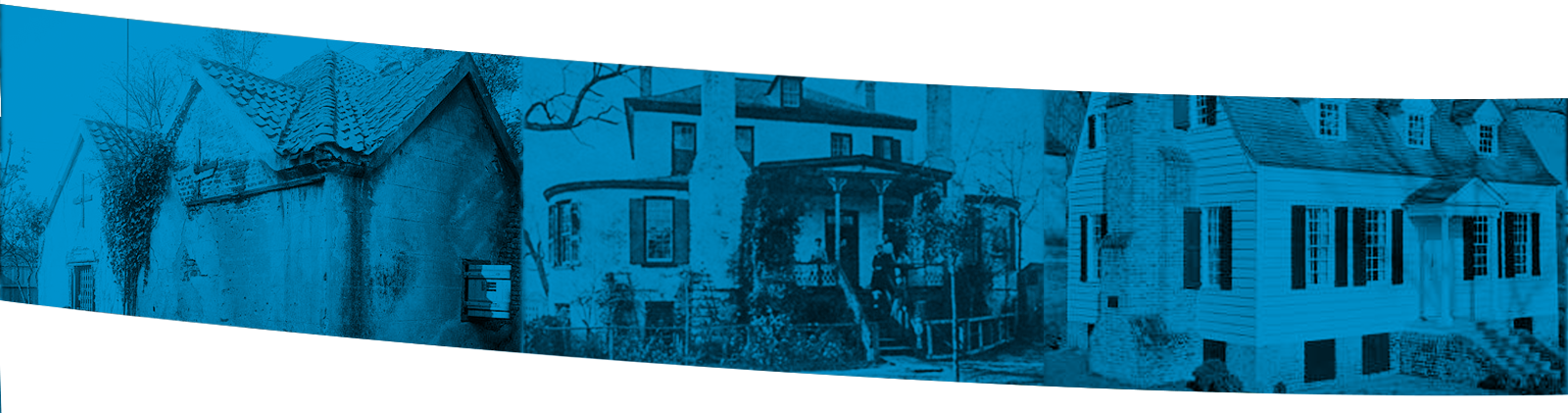
In the years since its founding in 1893, the South Carolina Society has sought to create interest in our colonial history through historic sites and objects, tangible connections to our past. The NSCDA-SC purchased The Powder Magazine (c. 1713) in 1902, thus saving the colonial structure from demolition. It was Charleston’s first building deliberately preserved and restored for its historical value.
The NSCDA-SC operates The Powder Magazine as a museum and, through its Colonial Council, is now expanding its educational programming throughout the state. The site is a member organization of Great American Treasures, the NSCDA Museum Alliance of historic places across the nation which together, in narratives BIG and small, tell America’s story.
NSCDA-SC MUSEUM

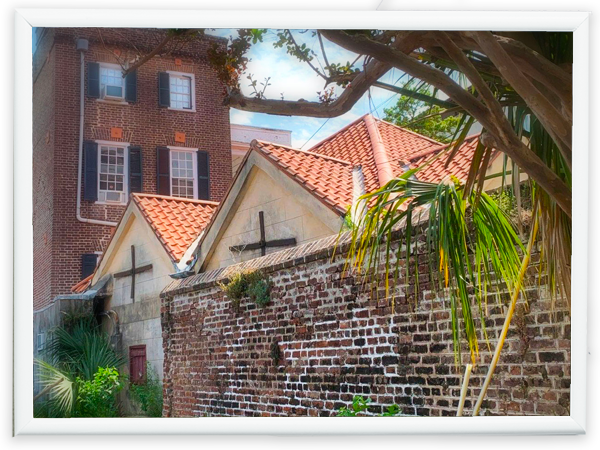
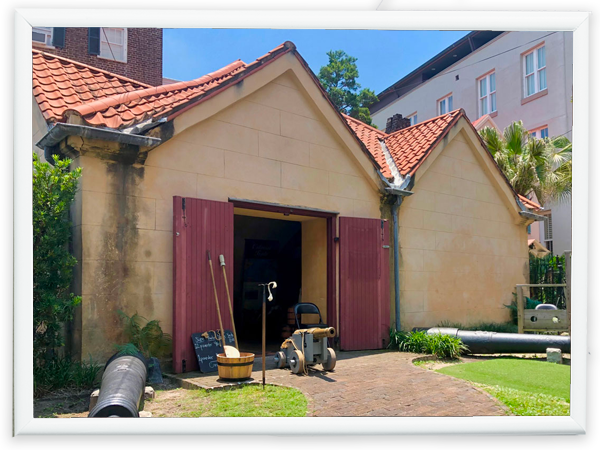
The Powder Magazine
79 Cumberland Street, Charleston, SC 29401
www.powdermagazine.org
Museum & Gift Shop Hours: Monday - Saturday, 10 AM - 5 PM.
The Powder Magazine is the oldest public building in South Carolina and the only surviving structure from the original walled city of Charles Town. The 32-foot square building was completed by 1713 and housed some five tons of gunpowder to protect colonial Carolina from a variety of threats. The Powder Magazine was recognized as a National Historic Landmark in 1989 and celebrated its 300th anniversary in 2013. The site’s interpretive exhibit, Arsenal of History, focuses on South Carolina’s colonial military and offers visitors a unique experience among heritage sites.

FORMER NSCDA-SC AFFILIATED PROPERTIES
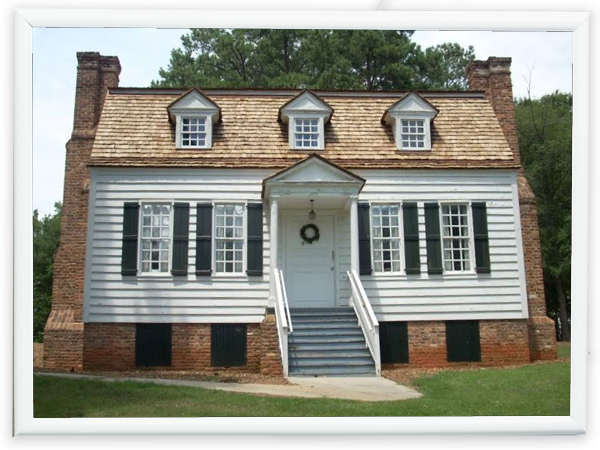
The Hanover House
150 Garden Trail, Clemson University, Clemson SC 29631
Saturday: 10am – 12 noon; 1pm – 4:30pm
Sunday 2pm–4:30pm
Closed University Holidays
Completed in 1716 for Paul St. Julien, Hanover House originally stood in South Carolina’s Berkeley County. Designated as the most architecturally significant French Huguenot colonial structure in an area that was to be flooded in 1941, the house was taken apart and moved over 200 miles inland to the Clemson University campus. With many furnishings provided by the Spartanburg Town Committee of the NSCDA-SC, the house museum interprets the lifestyles of the Low Country. Listed on the National Register of Historic Properties, Hanover House celebrated its Tricentennial in 2016.

NSCDA NATIONAL PROPERTIES
The National Society of The Colonial Dames of America was honored in 2000 by the National Trust for Historic Preservation “for acquiring, restoring, and interpreting a collection of historic properties that offer invaluable opportunities to experience the rich variety of America’s heritage.” The NSCDA is second only to the federal government in its number of historic properties.
Dumbarton House, Gunston Hall, and Sulgrave Manor are the three NSCDA national properties supported by all 44 Corporate Societies. In addition, there are 41 diverse properties owned out-right by the state societies, 13 additional museum collections owned by the Dames, and 30 more properties receiving substantial volunteer and financial support from Dames. The NSCDA partners with the Garden Conservancy on “Open Garden Days,” recognizing their work in rescuing and maintaining gardens complements our historic preservation efforts.
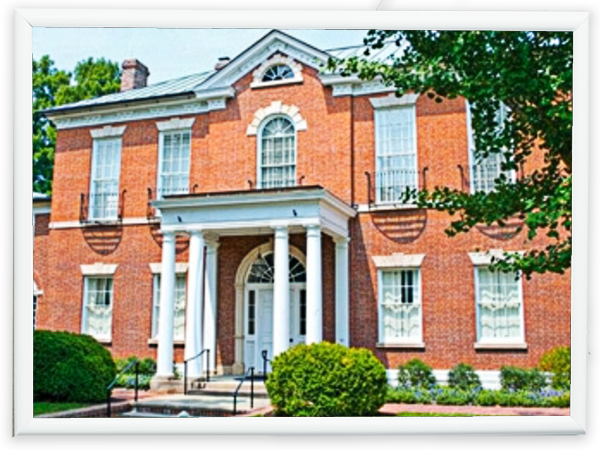
Dumbarton House
Dumbarton House, built in Washington, DC’s Georgetown neighborhood in 1799, is one of the country’s finest examples of Federal period architecture. Its collection includes furnishings, documents, and other artifacts that help tell the story of life in the new capital of a burgeoning American republic. Dumbarton House also serves as the NSCDA National Headquarters.
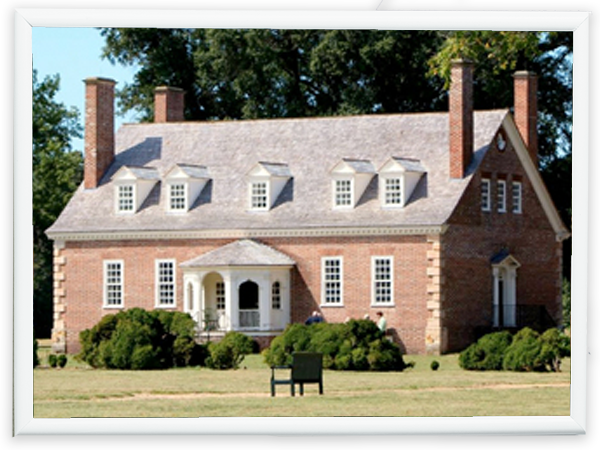
Gunston Hall
Gunston Hall, built circa 1755-59 in Lorton, Virginia, was the home of George Mason, founding father and principal author of the Virginia Declaration of Rights. Little changed since it was built, this colonial home contains more than fifty pieces owned by the Mason family and a large collection of other mid-to-late 18th-century furnishings.
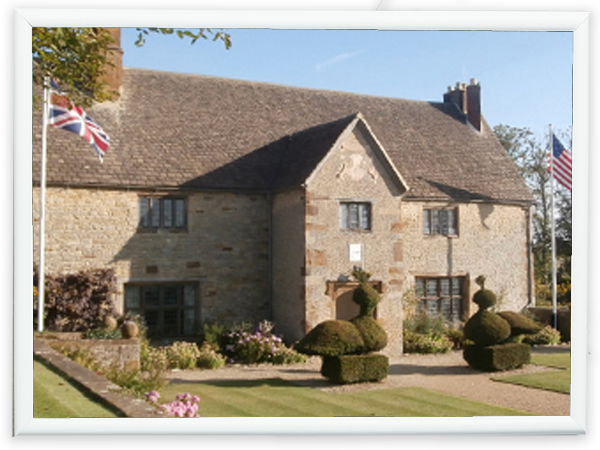
Sulgrave Manor
Sulgrave Manor is a superb Tudor house in Oxfordshire, England. It was built in the mid-1500s by Lawrence Washington, a direct ancestor of President George Washington. Sulgrave Manor was presented to the Peoples of Great Britain and the United States in 1914 and, within a decade, the NSCDA had raised $112,000 to endow this property in perpetuity.
Great American Treasures
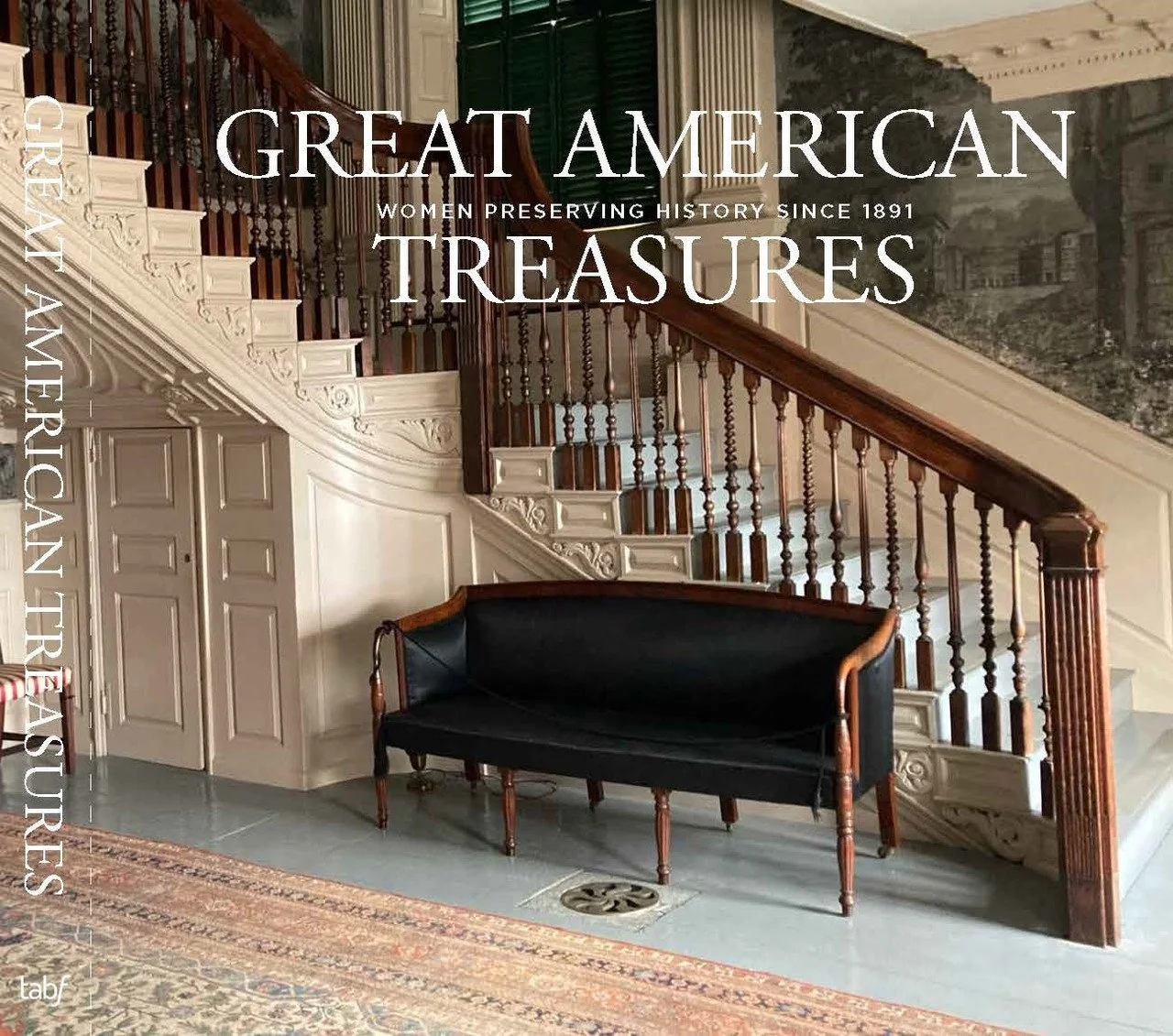
One of the NSCDA’ s most enduring legacies is in the field of historic preservation. Since 1897 when the New York Society opened Van Cortlandt House, the NSCDA has continued to serve as stewards of historic properties that help tell the diverse stories of our country. In 2020 we launched Great American Treasures (GAT), which is a collection of more than 70 historic homes and sites across the United States. Great American Treasures is growing and you too can help identify sites or collections within your corporate societies that should be included as a part of our shared history. Plan your next trip to these historic sites that help tell the story of how America came to be!
The NSCDA, in partnership with the Artist Book Foundation, is publishing Great American Treasures: Women Preserving History Since 1891, a book showcasing more than 70 historic sites in its museum alliance and reflecting on over a century of preservation and the enduring power of place.
Click to purchase >

Sampler Survey
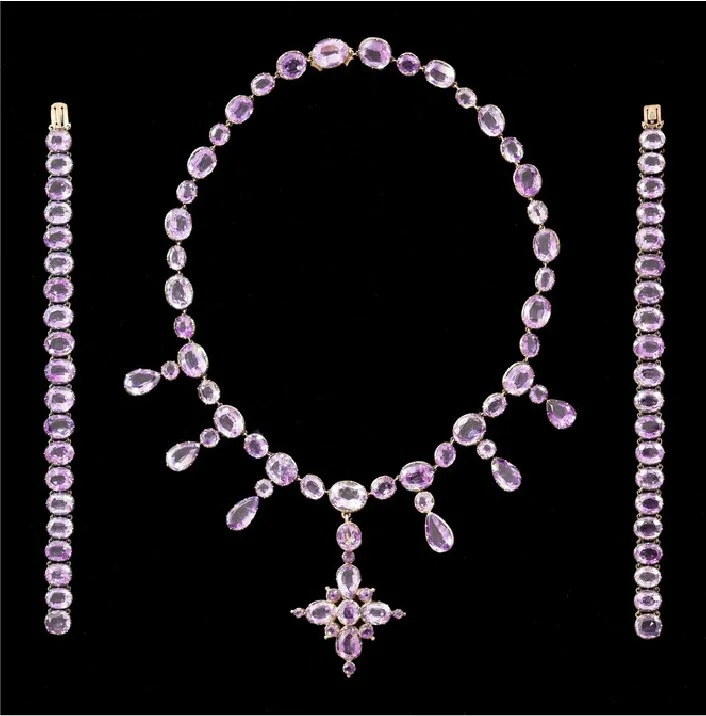
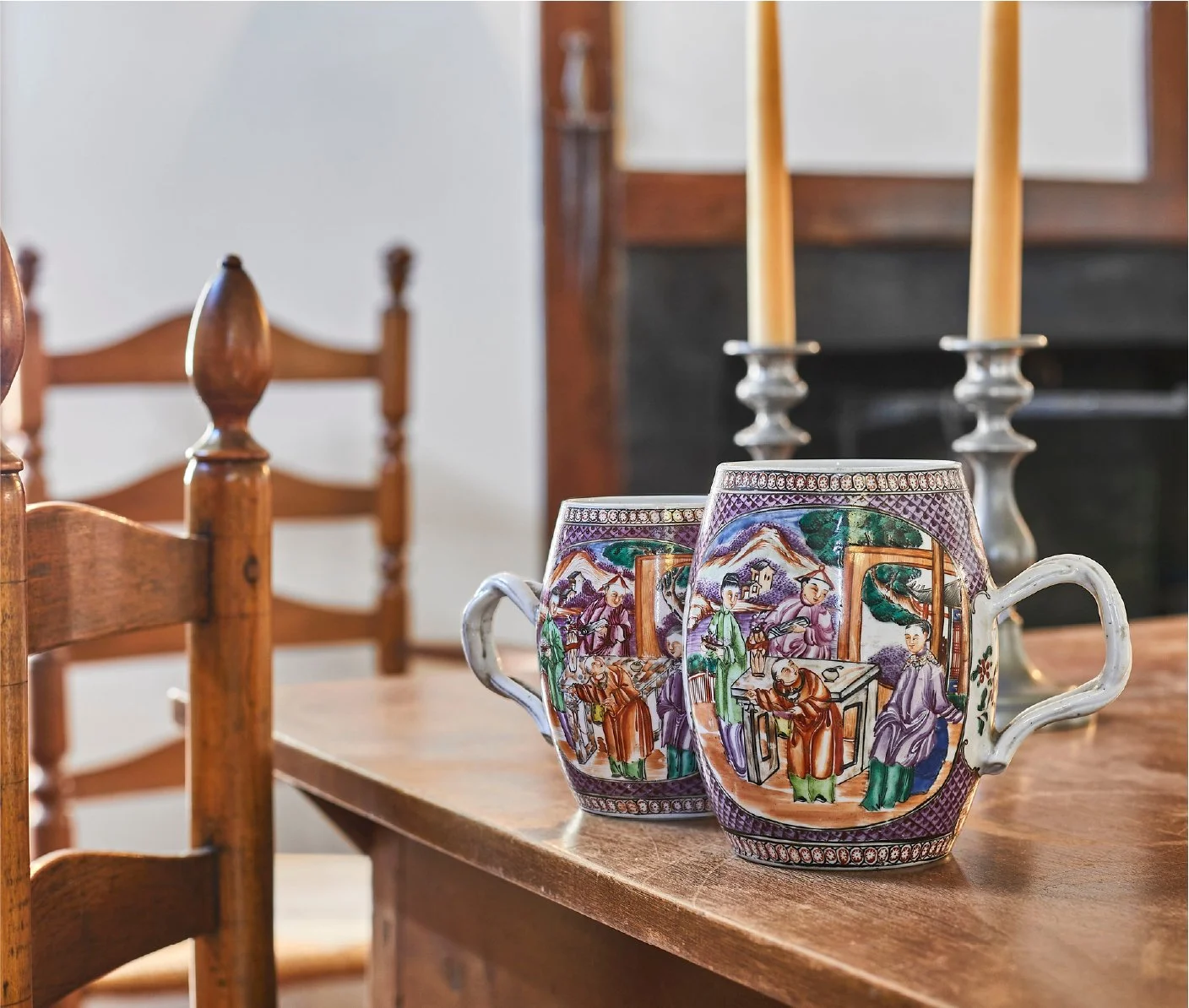
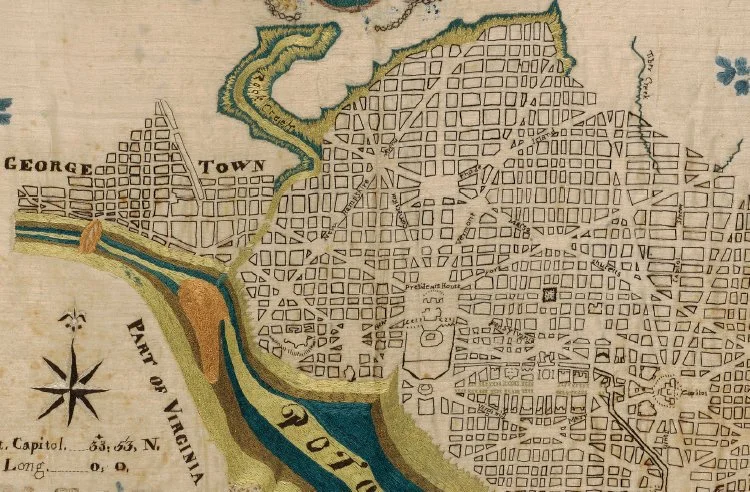
From housewares and clothing to documents and artwork, the NSCDA’ s collections offer a window into daily life in earlier eras. Among these treasures are historic samplers—needlework pieces that were an essential part of women’ s education in 18th- and 19th-century America. Each stitch connects us to the past, blending practical lessons with artistry.
Did you know that the Sampler Research committee has researched over 285 verses to date? The goal is to find the author/earliest use of all 800 verses listed in Bolton and Coes seminal publication American Samplers.
These intricate needlework pieces of art provide valuable insights into early American literacy, education and regional characteristics
For all you Dame sleuths come join our committee from the comfort of your own home and help us continue telling America ’ s story.
Any questions?
Click here for a link to the Sampler Survey.
SAMPLER SURVEY & COLLECTIONS
Collections
A comprehensive resource for our Great American Treasures museums
Join us in researching and sharing collection masterpieces showcasing their historical significance in telling America’s story
Consider highlighting a prize of your collection to Celebrate America’s 250th on the NSCDA and GAT website.
Did you know that The NSCDA Headquarters, Dumbarton House, Home of Great American Treasures has artifacts available now for loan to your very own GAT museum?
Any questions?
Click here for a link to view our Collections Library.